
A New Era of Fan Connection
The bond between sports and their followers has undergone a major shift in the digital era. Platforms like TikTok, Instagram, and X (formerly Twitter) have redefined the sporting experience, moving it from a spectator-based model to one of active involvement. Rather than just observing, fans now participate by sharing, commenting, and interacting as events unfold. Personalisation is at the heart of this change, enabling sports entities to provide customised content that specifically appeals to individual followers. This evolution has both improved the fan experience and empowered organisations to refine their marketing efforts through more precise segmentation, targeting, and positioning.
From Mass Audiences to Individual Fans
Historically, sports marketing was directed toward a broad and undifferentiated audience. Conversely, the advent of social media has facilitated a transition toward market segmentation, a process through which fan bases are categorized into distinct subgroups based upon specific behaviors, preferences, and demographic characteristics. (Kotler et al., 2016)
User demographics vary significantly across different social platforms. For instance, younger fans typically gravitating toward TikTok’s visual, short-form media, whereas older demographics often seek out in-depth match analysis on YouTube or Facebook. Consequently, a generic, uniform strategy is no longer effective for sports organisations.
Sports marketers can identify the specific types of content that appeal to various audience segments by evaluating metrics such as viewing patterns, likes, and shares. According to Smith (2024), utilizing data-informed social media plans enables clubs to customize their communication, which boosts fan devotion and interaction. This transition to bespoke content represents a major evolution in the marketing of sports during the digital age.
Speaking Directly to the Fan: Targeted Engagement
By utilizing targeting strategies, sports entities can deliver bespoke content to specific audience segments following their initial categorization. The rise of social media platforms has streamlined this global outreach, enabling clubs to connect with supporters across various international borders.
The NBA, for example, has implemented a successful international social media approach by tailoring content for diverse platforms and viewer bases. While in-depth material caters to more committed enthusiasts, engaging clips and highlights serve to draw in a younger demographic.
Manchester City provides another prime example, having grown its global footprint by reaching audiences in various territories with localized campaigns and multilingual posts. This illustrates the capacity of social platforms to transition sports brands from regional interests into truly international fanbases.
This focused approach to engagement fosters a more bespoke experience for supporters, ensuring they feel both acknowledged and appreciated. By deepening the bond between the audience and the team, such strategies promote enduring fan commitment.
Building Identity Through Digital Storytelling
Beyond segmentation and targeting, social media is vital for positioning, which describes how a brand is established within the minds of its consumers (Ries and Trout, 2001). Sports entities use digital storytelling to define their identity and broadcast their core values.
FC Barcelona serves as an illustration of this approach, branding itself as more than a mere sports organisation by highlighting its community, history, and cultural significance. This identity is steadily communicated through its social media presence to bolster emotional ties with its audience.
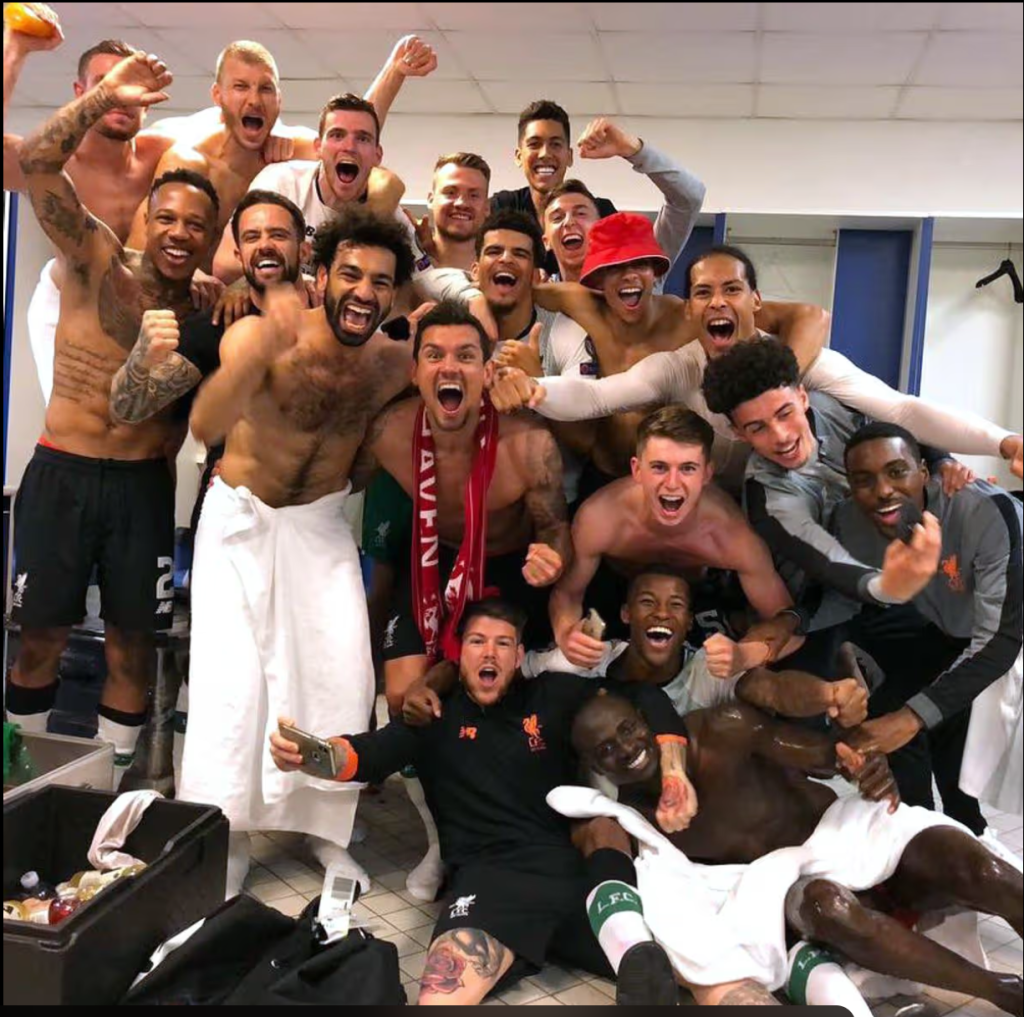
Moreover, storytelling enables sports organisations to give their brand a more human face. By sharing behind-the-scenes footage, conducting player interviews, and highlighting match-day rituals, teams build a narrative that allows fans to feel a more personal connection. Social media serves as the perfect arena for developing these ties, which Rein, Kotler, and Shields (2006) identify as a fundamental element in cultivating brand loyalty within the sports industry.
When Fans Become the Content
A hallmark of the social media age is the emergence of content created by the users themselves. Supporters have evolved beyond the role of mere spectators; they now shape the sporting narrative by producing their own memes, analysis, and artistic contributions.
The emergence of a participatory culture has enabled supporters to co-author the significance of sporting events. As Hutchins and Rowe (2012) observe, this shift redefines fans as active contributors rather than detached viewers. Applications such as TikTok have streamlined the process for enthusiasts to distribute and generate material concerning their preferred athletes and clubs. Consequently, fan-led content including match-day traditions, forecasts, and live responses frequently achieves viral status and integrates into the overarching narrative of the sport.
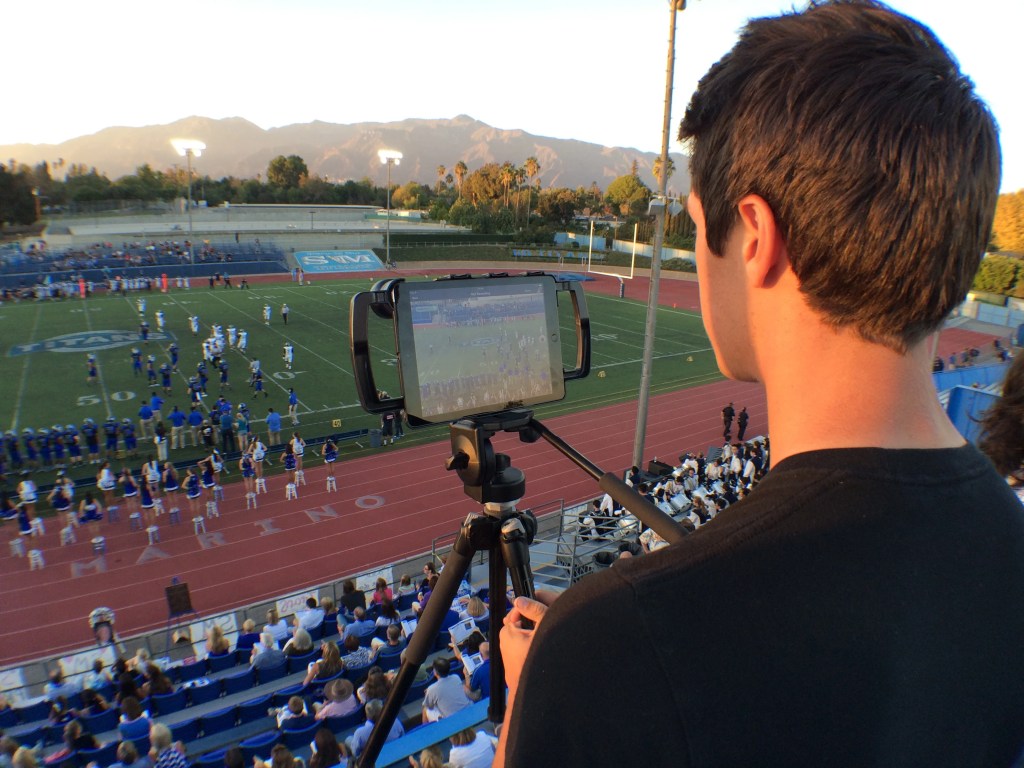
By fostering a more interactive and community-focused environment, this transition improves the fan experience. Furthermore, it bolsters the sense of community among supporters, which in turn solidifies their loyalty.
The Pressure of Being Always Online
The prevalence of harassment on social media platforms is a mounting challenge within the sporting world, especially during major competitions. These findings highlight significant risks to the mental health and safety of athletes, emphasizing an urgent requirement for more robust digital governance and protective policies.
Social media brings hurdles for athletes and sports entities, as constant content demands risk oversaturation and loss of authenticity. Furthermore, increased exposure leads to online abuse and criticism.
Additionally, the complexity of online brand management has intensified, as isolated comments or posts can rapidly spiral into major public relations crises. Dwivedi et al. (2021) emphasize that in this digital landscape, it is vital for organisations to strike a precise balance between fostering audience engagement and implementing effective risk management strategies.
Conclusion: The Personalised Future of Sport
Sports organizations are leveraging strategies in segmentation, targeting, and positioning to provide bespoke interactions that bolster fan devotion and participation. By shifting toward a more individualised, engaging, and worldwide methodology, social media has radically altered the ways in which enthusiasts engage with athletics.
Social media has fundamentally changed the fan experience, transitioning audiences from passive observers to active contributors. This shift influences not only the consumption of sport but the very essence of how it is lived. As technological advancements persist, the impact of personalized engagement within the sporting industry is poised to grow even more profound
References:
Dwivedi, Y.K., Ismagilova, E., Hughes, D.L. and Carlson, J. (2021) ‘Setting the future of digital and social media marketing research’, International Journal of Information Management, 59, pp. 1–37.
Hutchins, B. and Rowe, D. (2012) Sport Beyond Television. London: Routledge.
Iacobelli, P. (2024) ‘NCAA study finds widespread social media harassment’, AP News.
Kotler, P., Keller, K.L., Brady, M., Goodman, M. and Hansen, T. (2016) Marketing Management. 3rd European edn. Harlow: Pearson.
Rein, I., Kotler, P. and Shields, B. (2006) The Elusive Fan: Reinventing Sports in a Crowded Marketplace. New York: McGraw-Hill.
Ries, A. and Trout, J. (2001) Positioning: The Battle for Your Mind. New York: McGraw-Hill.
Smith, W.R. (1956) ‘Product differentiation and market segmentation as alternative marketing strategies’, Journal of Marketing, 21(1), pp. 3–8.
Smith, A. (2024) ‘How social media changed the sports marketing game’, Sprout Social.
 Courtside Culture
Leave a comment