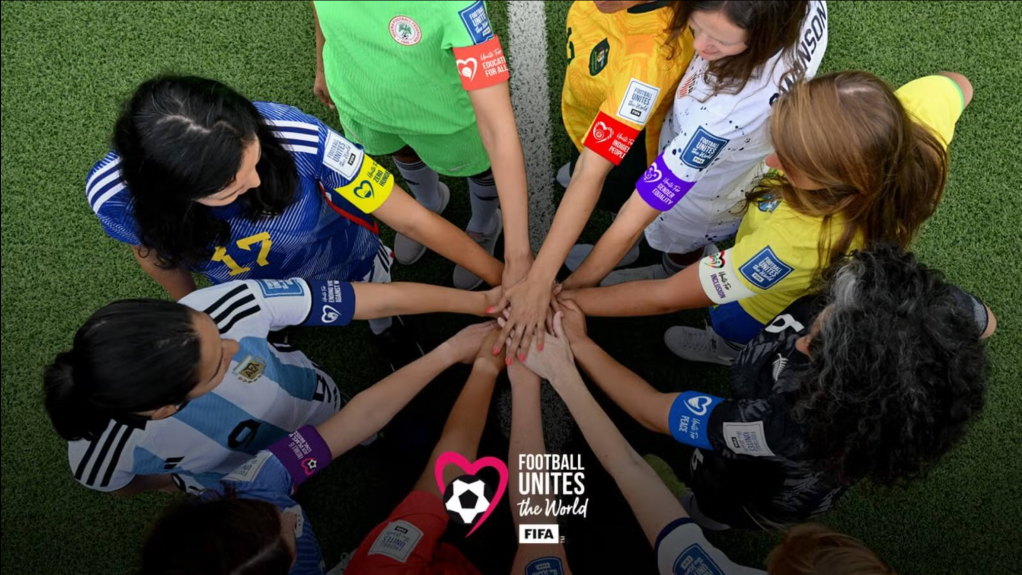
Sport as a Reflection of Society
Athletics have long transcended mere physical contest, serving as a mirror for broader sociopolitical and cultural dynamics. This environment often functions as a stage where disparities and matters of identity are highlighted. The interplay between the sporting world and the press has undergone a profound transformation, driven largely by the emergence of digital channels. Currently, worldwide broadcasting and social networking have heightened the visibility of these topics for a global public, establishing sport as a significant arena for dialogues concerning mental wellness, gender, and ethnicity.
The Power of Media in Shaping Narratives
In the past, the media acted as a gatekeeper in the world of sports, deciding which narratives were prioritized and determining how athletes were portrayed to the public. This power structure has been fundamentally altered by the emergence of digital media. Today, both athletes and their supporters possess direct access to various platforms, granting them the autonomy to communicate their own stories and viewpoints.
Digital platforms have empowered athletes to become influential advocates, fundamentally changing their role in society. A primary example is Marcus Rashford, who leveraged social media to lead a campaign against child food poverty in the UK, successfully capturing the attention of both the public and political leaders. In a similar vein, Naomi Osaka has used these channels to speak candidly about her mental health struggles, actively questioning the conventional pressures often imposed on professional competitors. These instances demonstrate how modern media can elevate athletes beyond the field, allowing them to lead meaningful conversations on critical social issues.
These examples demonstrate how media has become a key force in shaping narratives, allowing athletes to address important social issues directly with global audiences.
External Forces: Social and Cultural Pressures
From an external standpoint, the connection between sports and media is significantly influenced by social and cultural elements. Utilizing a PESTLE framework reveals that shifts in societal views regarding equity, inclusivity, and mental health have transformed the portrayal of sports (Kotler et al., 2016).
Media coverage has extensively highlighted challenges like racism in football. Global discussions regarding sports discrimination have been ignited by prominent instances of players receiving online harassment. By showcasing systemic problems that might have otherwise gone unnoticed, media channels serve to increase the visibility of these concerns.
The issue of gender inequality remains a prominent concern within the industry, as women in sports have traditionally encountered a lack of media representation when compared to male athletes. Social media platforms have emerged as a vital tool in addressing this disparity, offering female competitors a direct avenue to highlight their successes and confront prevailing stereotypes. This transition in the media landscape is indicative of wider social movements progressing toward gender parity.
Internal Forces: The Role of Sports Organisations
The sports industry is influenced not only by external shifts but also by significant internal dynamics. There is a growing expectation for governing bodies, clubs, and sports organizations to engage with social concerns and exhibit a commitment to corporate social responsibility.
A growing number of entities are utilizing their visibility to advocate for diversity and inclusivity. Initiatives focusing on mental health awareness and anti-racism demonstrate how internal policies are being reshaped by external societal demands. As Giulianotti (2015) points out, those in the sports industry are tasked with navigating the intersection of social duty and commercial aims, especially given the intense scrutiny of the modern media landscape.
Furthermore, organizations and clubs dedicate resources to media departments and communication plans to oversee their reputation. Such investments highlight the increasing role of media in defining an organization’s character and ensuring the confidence of its stakeholders.
Athletes, Identity, and Representation
The capacity for athletes to articulate their identities with greater autonomy represents a major transformation fueled by modern media. Through social media, competitors can transcend their professional personas, revealing themselves as multi-faceted individuals defined by their distinct values, beliefs, and personal histories
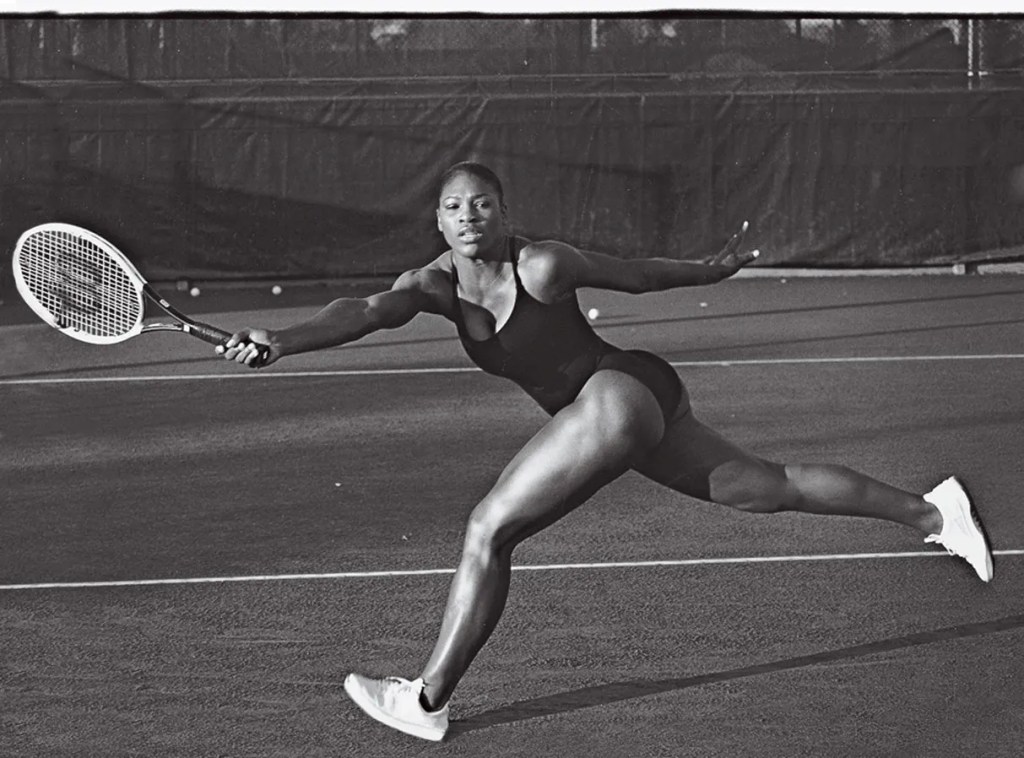
Serena Williams, for example, has utilized her visibility to confront racial and gender disparities, drawing attention to the specific obstacles encountered by women of color in athletics. By contesting conventional perspectives, such advocacy promotes a more diverse and equitable landscape in the sporting world.
According to Sanderson (2011), athletes today possess enhanced authority over their public personas, enabling them to defy traditional stereotypes and influence how they are viewed by the public. While this transformation has fostered a more diverse and inclusive environment within sports, various obstacles continue to persist.
The Double-Edged Nature of Media Exposure
Digital media presents a complex landscape for athletes, offering both a platform for meaningful progress and a source of significant difficulty. While these digital tools provide a powerful means to highlight critical societal topics, they simultaneously leave competitors vulnerable to intense scrutiny, mental strain, and mistreatment. The rise of digital hostility has emerged as a major hurdle, with athletes from marginalized communities often bearing the brunt of online toxicity.
Additionally, the persistent gaze of the media can compel athletes to uphold a specific reputation, which often obscures the distinction between their true selves and their public images. Boyle and Haynes (2009) highlight that the commercial interests of the sports and media industries can occasionally undermine genuine representation.
Conclusion: A More Visible, More Accountable Industry
The dynamic interplay between the sports world and media channels has fundamentally reshaped the discourse surrounding social justice and identity. By providing a powerful stage for athlete advocacy, media outlets have brought systemic disparities to the forefront and fostered a greater sense of responsibility across the entire sports sector.
Within the LO1 framework, the management of these challenges is determined by a combination of internal forces, including corporate responsibility and organizational plans, and external forces, such as cultural transformations and societal norms. The capacity of media to both emphasize and drive social evolution in the sports world is set to expand further as the industry continues to progress.
Ultimately, sport is no longer just a game, it is a powerful platform for social awareness, identity, and change.
References:
Boyle, R. and Haynes, R. (2009) Power Play: Sport, the Media and Popular Culture. Edinburgh: Edinburgh University Press.
Giulianotti, R. (2015) Sport: A Critical Sociology. Cambridge: Polity Press.
Kotler, P., Keller, K.L., Brady, M., Goodman, M. and Hansen, T. (2016) Marketing Management. 3rd European edn. Harlow: Pearson.
Sanderson, J. (2011) ‘To Tweet or Not to Tweet’, International Journal of Sport Communication, 4(4), pp. 492–513.
 Courtside Culture
Leave a comment